Augusta, Georgia, has a serious problem with peatones getting hit by cars, and a lot of it comes down to distracción. A big change in Georgia law, specifically the amendment to O.C.G.A. § 40-6-96, kicked in on January 1, 2026, and it clarifies who’s responsible when these accidents happen. The new law is a direct response to the rising number of tragedies caused by people, both drivers and walkers, not paying attention, usually because they’re glued to their phones. So, how does this actually affect you if you live in Augusta, and what do you need to do to stay safe (and legally protected)?
Key Takeaways
- The new rules under O.C.G.A. § 40-6-96, effective since Jan 1, 2026, define responsibility for distracted pedestrian accidents in Augusta.
- Drivers are now legally required to give pedestrians at least a three-foot buffer when passing to help prevent collisions.
- Pedestrians have a new duty: you can’t be using electronic devices while in a marked crosswalk, a rule aimed at stopping accidents you might cause yourself.
- If you’re a victim in Augusta, you have to document the scene thoroughly, get witness info, and call a lawyer fast to protect your rights.
- Augusta police and the Georgia DOT are stepping up enforcement and adding new signs in high-risk zones like Broad Street and Gordon Highway.
Nuevas Disposiciones en la Ley de Peatones de Georgia (O.C.G.A. 40-6-96)
That amendment to O.C.G.A. § 40-6-96 that went into effect at the start of 2026 really shook things up for road safety in Georgia, especially here in Augusta. The law now flat-out requires drivers to maintain a minimum three-foot safety distance when passing a pedestrian. Before this, the code was vague about side-to-side distance, which led to a lot of arguments after an accident. This new clarity is designed specifically to cut down on sideswipes and hit-and-runs, particularly on busy streets with heavy foot traffic like Washington Road or Wrightsboro Road.
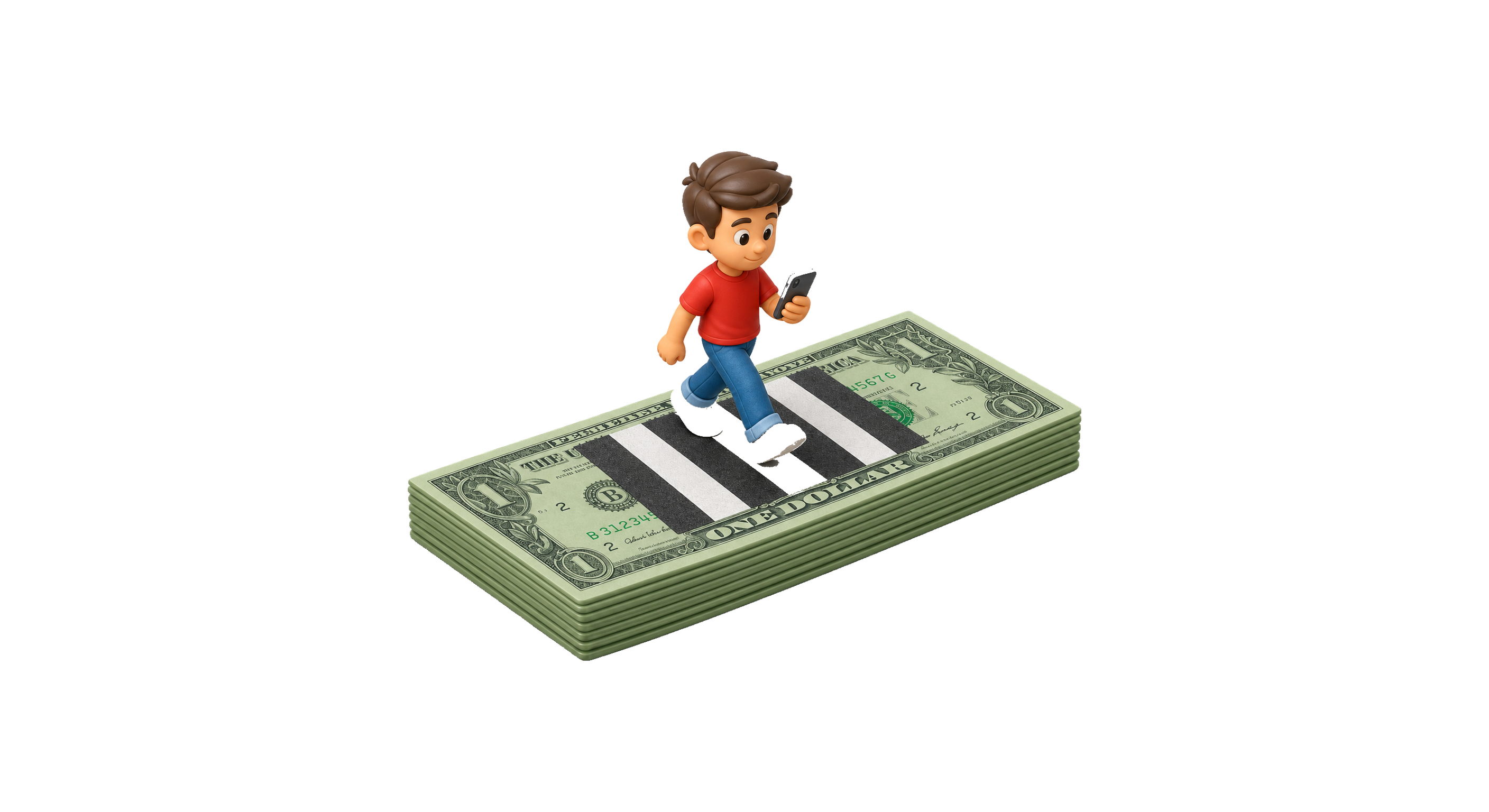
But the law also puts a lot more responsibility on pedestrians. The amendment now forbids using a handheld electronic device, like your phone or a tablet, while you’re crossing a street in a cruce peatonal marcado. The reason is simple: distracted walking is a huge and growing part of the problem. A 2024 report from the Governors Highway Safety Association (GHSA) showed that pedestrians distracted by smartphones contributed to a 15% spike in pedestrian deaths nationwide over the last five years. While that’s not a Georgia-specific number, it gives you a clear picture of the trend.
¿Accidente peatonal?
Sepa cuánto vale su caso con la Calculadora de Pagos para Accidente Peatonal con IA ¡GRATIS!
Iniciar mi evaluación gratisIn my opinion, making this a two-way street for responsibility was long overdue. You can’t just expect drivers to bear all the burden for road safety. The way cars and people interact is complicated, and both sides have to be paying attention. If you’re walking downtown near the Augusta Riverwalk and step into a crosswalk while looking at your phone, the law now says you’re partly at fault if something happens. It doesn’t give the driver a free pass, but it definitely makes proving fault in an accident a lot more complex.
¿Tuvo un accidente de auto?
Los ajustadores de seguros están entrenados para pagar menos. La víctima promedio deja $32,000 sin reclamar.
Impacto Directo en la Comunidad de Augusta
For people in Augusta, these legal changes have a very real, everyday impact. High-traffic pedestrian areas, like the shopping districts on Broad Street or the blocks around Augusta University, are where you’ll feel this the most. The Augusta police have already said they’re increasing patrols in these hotspots to enforce the new rules for both drivers and pedestrians. There will be public awareness campaigns, sure, but at the end of the day, it’s on you to know the law.
I’ve seen firsthand in my work how a single moment of distraction can destroy a life. A driver checking a quick text, a pedestrian who never looks up from their screen, these are the scenarios that play out over and over. This new law, with its three-foot rule and crosswalk phone ban, is meant to be a deterrent. But its success really hinges on enforcement and whether people actually start paying attention. Having a law on the books is one thing. Respecting it is another.
The Georgia Department of Transportation (GDOT) has been doing its part, too. They’ve been rolling out infrastructure upgrades at key intersections in Augusta, putting in more visible signs and repainting crosswalks in areas like Gordon Highway and Deans Bridge Road. These improvements, combined with the new law, should make things safer, but no amount of paint or signage can eliminate the risk if distracción remains the norm.
Determinando la Culpabilidad en Accidentes de Peatones Distraídos
Figuring out who’s at fault in a peatón accident in Augusta is now a lot more nuanced, especially when distracción is involved. Georgia uses a “modified comparative negligence” rule (you can find it in O.C.G.A. § 51-12-33). What this means in plain English is that if you, the pedestrian, are found to be 50% or more at fault for the accident, you can’t recover any money for your injuries. If you’re less than 50% at fault, your recovery is reduced by your percentage of fault.
Let’s use an example. A pedestrian is crossing Broad Street in a marked crosswalk but is completely engrossed in their phone. A driver, who fails to give the required three feet of space while passing, hits them. Before this law change, arguing the pedestrian was at fault for being distracted was a tougher hill to climb for the defense. Now, with an explicit ban on using devices in crosswalks, the driver’s lawyer has a much stronger legal argument for the pedestrian’s negligence. Of course, the driver’s side still has to prove they weren’t being negligent in other ways (like speeding or not yielding).
Evidence is everything in these cases. Police reports, security camera footage (many Augusta intersections have traffic cams), witness statements, and even data from cell phones (when it can be obtained legally) are all brought into play. You can bet that insurance companies are going to investigate every single detail, hunting for any sign of distraction from either party. My experience tells me the driver’s insurance carrier will use any excuse to reduce their payout, and this new pedestrian distraction rule is a powerful new tool for them.
Pasos Concretos para Peatones y Conductores en Augusta
Given the new legal reality, here’s what both pedestrians and drivers in Augusta need to do to protect themselves and follow the law.
Para Peatones:
- Get off the phone at crosswalks: It’s a simple rule. When you’re about to cross the street in a marked crosswalk, put the phone away. It’s not worth risking your life or having your potential injury compensation slashed.
- Stay alert: Even when you have the right of way, look both ways before you cross. Never assume a driver sees you or will obey the signals. It’s a dangerous assumption.
- Use sidewalks and crosswalks: Don’t walk in the road if there’s a perfectly good sidewalk. Always use designated crosswalks when they’re available.
- Make yourself visible: If you’re out walking at night or when it’s hard to see, wear light-colored or reflective clothing.
Para Conductores:
- Give them three feet: When you pass a pedestrian, you are legally required to give them at least three feet of space. That’s not a suggestion, it’s a mandate under O.C.G.A. § 40-6-96.
- Slow down in pedestrian zones: Areas with lots of foot traffic, like downtown Augusta or around parks, demand extra caution and lower speeds.
- Put your own phone down: Georgia’s hands-free law (O.C.G.A. § 40-6-241.2) already makes it illegal to be texting or holding your phone while driving. This is a primary cause of accidentes con peatones.
- Check your blind spots: Larger vehicles especially have huge blind spots. Double-check your mirrors and look over your shoulder before you turn.
¿Qué Hacer Después de un Accidente de Peatón en Augusta?
If the worst happens and you’re involved in an accident as a pedestrian in Augusta, how you act in the immediate aftermath can make or break your potential legal case. I’ve seen strong cases fall apart because of mistakes made right after the incident.
- Get medical help right away: Your health comes first. Even if you think you’re fine, some injuries (especially internal ones) can take hours or even days to show up. A complete medical record from the start is critical. Get to Augusta University Medical Center or Doctors Hospital of Augusta if you need to.
- Call the police: Insist on a police report being filed. That report becomes a central piece of evidence, capturing incident details, witness info, and the officer’s initial assessment.
- Document everything: If you’re able, use your phone to take pictures and videos of the scene, the car, your injuries, the traffic signals, and anything else that seems relevant. Note the date, time, and weather.
- Get witness information: If anyone saw what happened, get their name and phone number. An independent witness statement can be incredibly powerful.
- Don’t talk to the insurance company alone: The other party’s insurance adjuster will try to get a statement from you as soon as possible. Their job is to minimize what their company pays out. Don’t sign anything or give a recorded statement until you’ve spoken with an attorney.
- Consult a personal injury lawyer: An attorney who knows Georgia pedestrian accident cases can explain your rights, gather the necessary evidence, and handle the insurance company for you. They understand the nuances of O.C.G.A. § 40-6-96 and how to apply it to your specific case. For more on the rights of workers or pedestrians in Augusta, getting legal advice is key. This also relates to other negligence issues, like brain damage from ER negligence.
The bottom line is that Georgia’s new law about peatones and distracción is a firm reminder that road safety is on everyone. In a busy place like Augusta, it’s more important than ever to be aware. Ignoring these rules doesn’t just put you in physical danger. It can seriously damage any future legal claim you might have. Pay attention, know the rules, and prioritize your safety.
What does the O.C.G.A. § 40-6-96 amendment change for Augusta pedestrians?
Effective Jan 1, 2026, the law now explicitly prohibits pedestrians from using handheld electronic devices like cell phones while crossing a street in a marked crosswalk. If you do and get in an accident, it can be used against you to determine fault.
What’s the new requirement for drivers passing pedestrians in Georgia?
Drivers must now provide a minimum safety buffer of three feet when they pass a pedestrian. This is a mandatory legal distance meant to prevent sideswipe collisions and protect people on foot.
How does Georgia’s comparative negligence rule affect a distracted pedestrian?
Under Georgia’s “modified comparative negligence” law (O.C.G.A. § 51-12-33), if a pedestrian is found 50% or more at fault for their own accident, they are barred from recovering any damages. If they are less than 50% at fault, their award is reduced by their percentage of fault.
What evidence is critical after a pedestrian accident in Augusta?
The most important pieces of evidence are the official police report, photos and videos you take of the scene, contact information for any eyewitnesses, and your complete medical records. Traffic camera footage can also be extremely valuable if it’s available.
What should I do immediately after being hit by a car in Augusta?
First, get medical attention, even if you feel okay. Second, call the police to file a report. Third, if you can, document the scene with photos and get contact info from witnesses. Finally, do not give a statement to any insurance company before you’ve consulted with a personal injury lawyer.